https://www.linkedin.com/feed/update/urn:li:activity:7531659228143611904
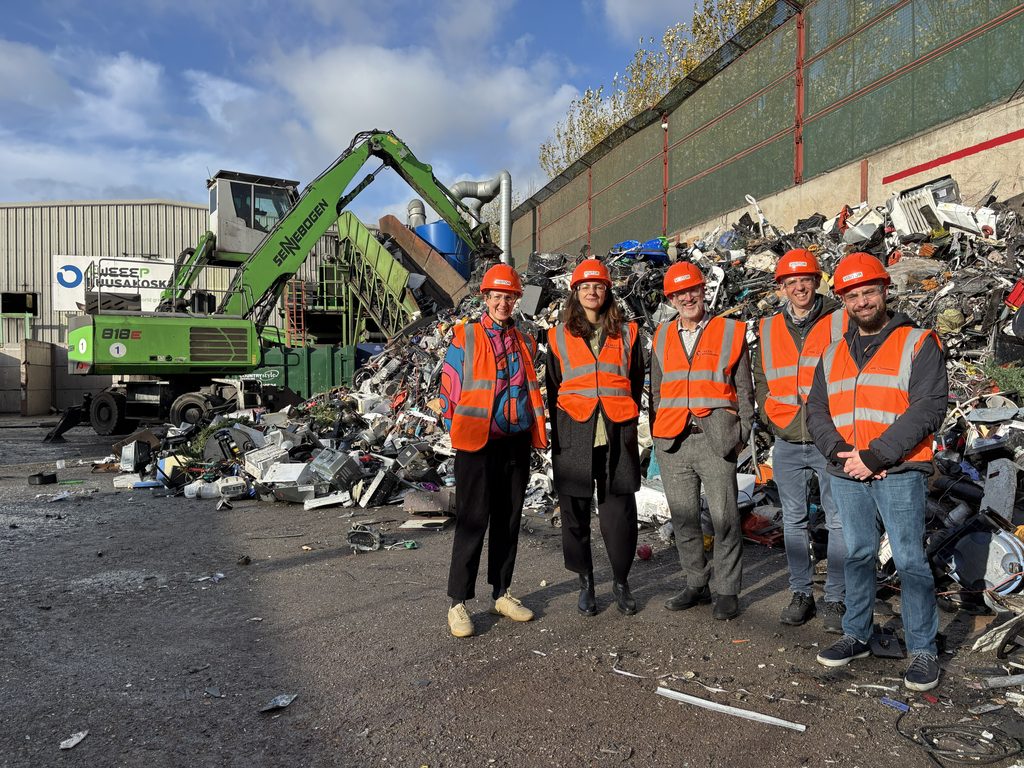
Researchers from UCL, including Danielle Purkiss, Zein Khraizat, Mark Miodownik, Graham Anderson and Polina Pencheva, recently visited SWEEEP Kuusakoski‘s advanced WEEE recycling facility in Sittingbourne, Kent, as part of the UKRI EPSRC Sustainable Electronics and Packaging (SEP) Hub project.
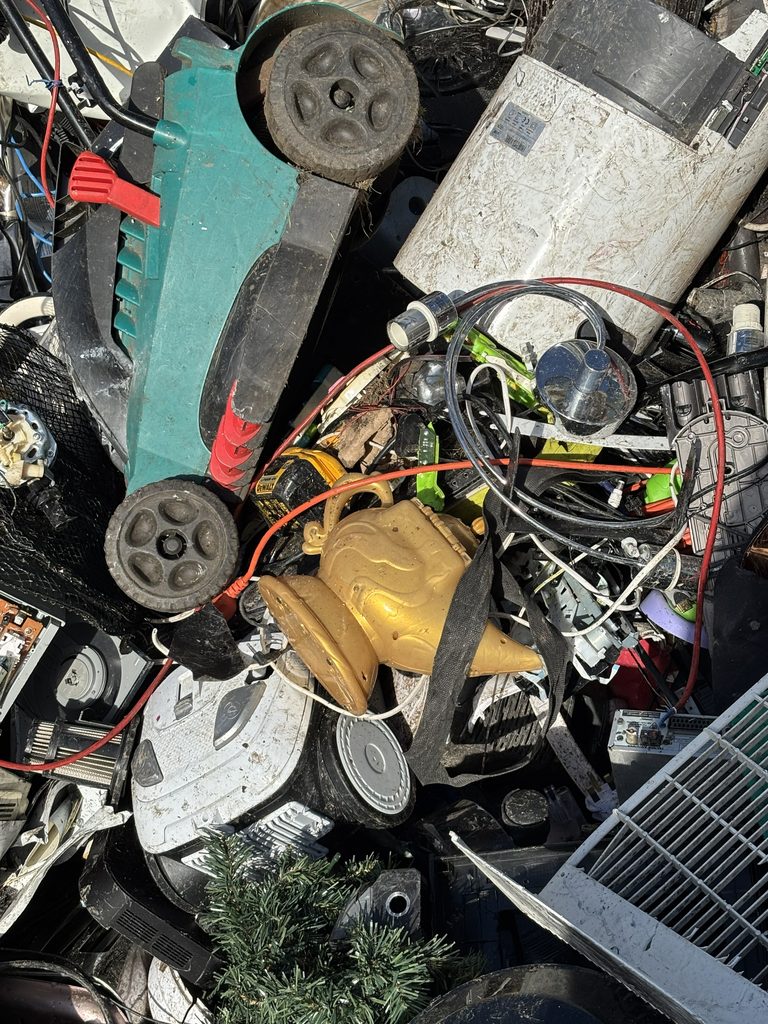
The visit provided a valuable opportunity to see first-hand how waste electrical and electronic equipment (WEEE) is processed and how materials are recovered from complex products at end of life. SWEEEP Kuusakoski currently processes around 41,000 tonnes of electrical waste each year and is responsible for recycling approximately 25% of the UK’s small electrical appliances.
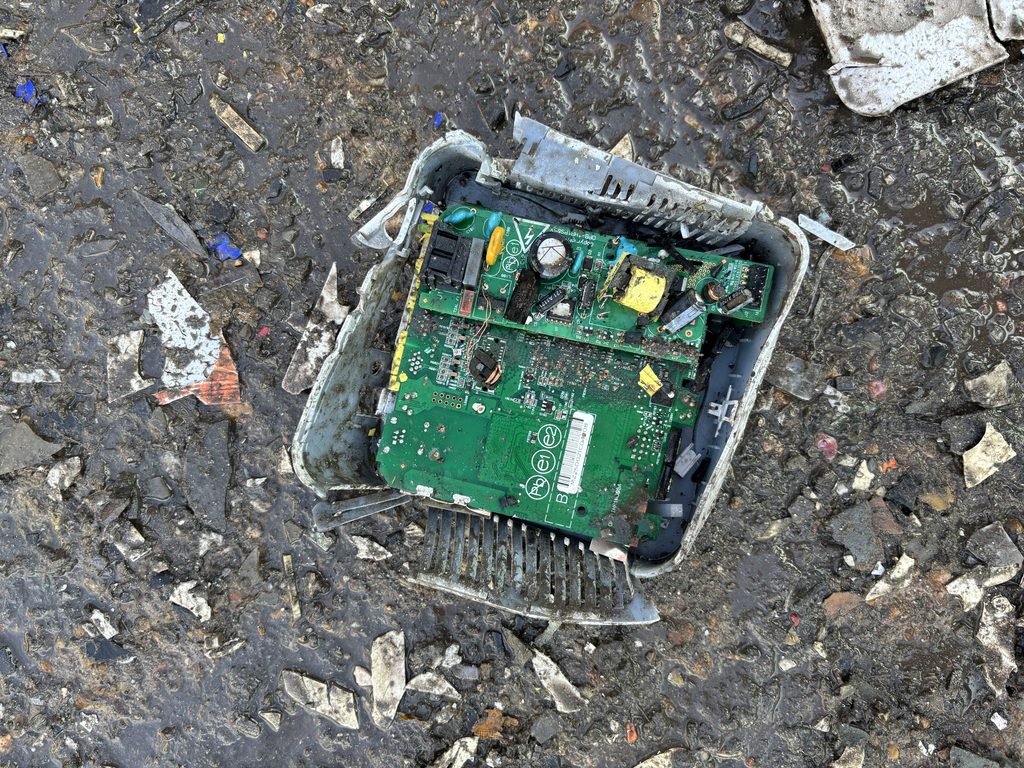
The waste stream contains a range of valuable materials, including copper from motor windings, gold from circuit boards, and increasing quantities of neodymium from permanent-magnet motors used in products such as e-scooters. These materials can be recovered at high purity through advanced sorting and metallurgical processes, highlighting the important role recycling plays in securing critical raw materials for the low-carbon transition.
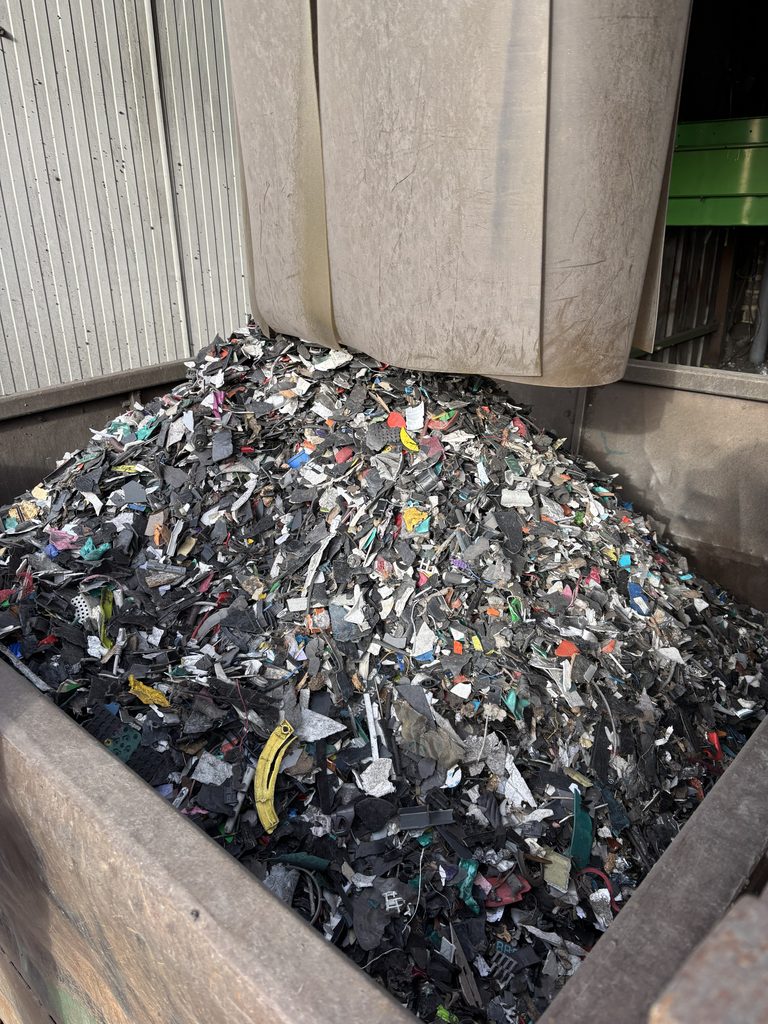
However, the picture is far more challenging for plastics. Small domestic appliances contain around 30% plastic by weight, yet returning these materials to high-value applications remains difficult from a technical and market perspective. The diversity of polymer types, contamination from additives and other materials, and degradation during product use and recycling all limit the quality and value of recovered plastics, making circularity considerably more difficult to achieve than for many metals. One of the key discussion points was the role of product design, alongside emerging recycling technologies such as robotics and AI, in improving material recovery from WEEE. We explored both the potential of these approaches to tackle the challenges of increasingly complex material streams and the technical and economic limitations that may constrain their effectiveness.
Seeing and discussing the realities of sorting, dismantling and material recovery challenges also raised an important question:
🔄 Could greater reuse, repair and refurbishment help reduce waste generation in the first place, while preserving the value embedded in products for longer?
A huge thank you to the SWEEEP’s Justin Greenway for sharing their expertise and demonstrating the scale and complexity of modern electronics recycling. The insights gained will help inform ongoing research into circular economy pathways for electrical and electronic products.
#CircularEconomy #WEEE #Recycling #CriticalRawMaterials #SustainableElectronics #SEPHub #UKRI #EPSRC #ResourceEfficiency #UCL #Reuse